

Top Mobile App Development Trends in 2025: What’s Next?
- minhaj_1109@hotmail.com
- May 27, 2025
- App Development
- 0 Comments
The world of mobile app development is evolving faster than ever, and 2025 is expected to be a groundbreaking year. With our growing dependency on smartphones in our everyday lives, businesses and developers compete to make more innovative, faster, and more immersive mobile experiences.
From AI-powered personalization and 5 G-driven real-time functionality to cross-platform compatibility and advanced cybersecurity, the landscape is being redefined by innovation.
Users now expect those that are not simply functional but predictive, flawless, and truly customized to their tastes, and to deliver on these expectations, one has to be ahead of the curve.
This Mobile app development trends in 2025 guide will explore the latest technologies and strategies that will dominate the mobile space. Whether you’re a startup creating your first application or a global brand perfecting your online presence, you need to know these latest trends in mobile application development to succeed.
You can expect explosive growth of low-code development platforms, voice-enabled platforms, AR integration, and intelligent automation tools that aim to simplify workflow and increase user engagement.
At ZNZDigitalWorks, we specialize in providing the best app development services designed to meet your business needs. Our professional development team offers cutting-edge, user-friendly applications for superior performance and easy integration with any device.
The future of mobile is not just app that works; it’s about apps that think, learn, and evolve. Let us see what 2025 has in store for you and how you can leverage these trends to lead in a hyper-competitive world.
Top Mobile App Development Trends in 2025 for Business Growth and Innovation
Mobile applications continue to evolve rapidly, and the possibilities for a smooth user experience, performance, and multiplatform compatibility continue to grow.
Mobile apps evolve ever-increasingly, and the possibilities for smooth user experience, performance, and multiplatform compatibility continue to grow.
Looking into advancements in the digital world, developers and enterprises will have to keep a watch on the 2025 popular mobile app development frameworks that will carve out the industry’s future.
Such trends are no longer in the process of changing mobile user experiences. Instead, they are now crucial to gaining brands’ engagement with users in real-time.
To keep a competitive edge now, it is necessary to be updated about new mobile application technology trends.
Now let’s examine some significant trends that will substantially influence mobile development in the coming years.
1. 5G Technology is Powering the Future of Mobile App Innovation
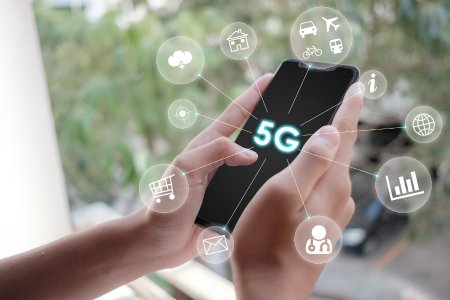
Walking further into the world of the digital, we no longer talk about 5G being some distant promise; it’s here, and it is changing the way we build and develop mobile apps in unimaginable ways.
This new generation wireless network is establishing a new standard for speed, timeliness of response, and connectivity.
Enabling blazing-fast data throughputs, ultra-small latencies, and the ability to handle billions of connected devices, 5G is becoming the next generation’s backbone of mobile experiences.
But what does this mean to the developers and businesses that want to remain ahead in 2025? To begin with, mobile apps will no longer be limited due to slow networks or connectivity issues. The result? Faster-loading apps, better, smoother real-time elements, and unimaginable levels of immersion that were not previously achievable.
We are not talking about 5G only. Still, it is the best technology for mobile app development that now also includes ultra-responsive platforms for AR, VR, and IoT integrations, and it is done without a glitch.
From AR/VR experiences with the human feel to real-time GPS accuracy for location-aware users and high-quality in-app data processing capabilities, 5G is opening up a new range of opportunities.
There is no limit to what one can do with smart home solutions, healthcare apps, or mobile games when powered by 5G.
Considering that it’s one of the most trending mobile app development technologies, it is not merely an upgrade; it’s a complete reinvention of what apps are about, how they are built, and what they are like.
Stay updated as we go deeper into the mobile revolution. Here are some of the most prominent free Mobile app development trends in 2025 that will influence by, and 5G is first in line.
2. IoT App Integration is Reshaping the Mobile Experience
Imagine a world where your phone enables you to call or browse and take control of your entire home, monitor your health, control your lighting, and even brew your morning coffee.
The power of IoT app integration is here, and your mobile device is now the command center of a more innovative, more connected way of living.
Being one of the most captivating trends in mobile app technology for 2025, IoT integration is changing how we relate to everyday objects by connecting them with digital connections.
In essence, Internet of Things (IoT) app integration enables mobile apps to interact with internet-enabled devices hassle-free, whether talking about a smartwatch, smart fridge, or home security system.
This connectivity comes with an intelligent movement of data and commands, and results in a more convenient, efficient, and secure life. It has nothing to do with the tech; it’s about creating innovative, intuitive experiences, anticipating users’ needs in real time.
It is no wonder that IoT is proclaimed the best technology for mobile app development, as we are stepping into a more automated and responsive future.
Consider real-life examples such as SmartThings by Samsung or Philips Hue. These apps allow users to operate lighting, appliances, and smart lockers by simply using their mobile screens, from wherever they may be, from turning their lights down after sleep to checking their home security cameras when on vacation.
IoT-based apps are bringing science fiction into reality. This seamless integration quickly impacts Android app development trends, where more apps are being developed that can do device pairing, cloud sync, and automated routines.
Some of the most essential elements of effective IoT app integration are:
1. Device Connectivity: Making sure there is a seamless interaction between the application and a vast array of smart devices.
2. Data Movement: Controlling the instantaneous information flow from devices to the app.
3. Interface Design: Creating uncomplicated controls that the users can efficiently operate to monitor and control devices.
4. Automated Processes: Creating automatic triggers and routines according to the user’s preference or real-time data.
5. Data Communication Rules: Using standard languages such as MQTT or Bluetooth for reliable connectivity.
6. Connecting to Cloud: Saving and synchronizing data between devices for a consistent experience.
With more homes, cities, and businesses going smart, the connection of IoT with mobile apps is no longer a luxury but a necessity.
It doesn’t matter if you are a developer or the owner of a business; it is essential to comprehend how IoT is changing mobile applications if you are to succeed in this field, which is developing at a rapid pace.
Prepare to adapt to one of the most powerful mobile application development trends in 2025 with the help of an innovative IoT initiative.

3. Mobile Commerce is Shaping the Future of Digital Transactions
One of the dominating and game-changing trends as we dive deeper into the future of mobile app development is Mobile Commerce (M-Commerce). With no longer being restricted to desktop websites, e-commerce has come to seamlessly fit into our pockets, making mobile devices the new storefronts.
From buying a pair of clothing using an app to transferring funds using a digital wallet or paying for something by tapping, the world of commerce is completely transformed with the advancement of mobile commerce.
M-commerce is the best combination of convenience, speed, and personalization. With smartphones and tablets becoming a part of our daily lives, companies rush to create efficient mobile experiences that convert users into lifelong customers.
This revolution in change is not about rectifying the size of websites to fit into smaller screens; instead, it’s about embracing the cutting-edge latest mobile app development technologies
to ensure robust, intuitive apps are implemented to allow secure transactions, real-time communication, and easy interfaces.
Unsurprisingly, mobile app development trends for 2025 focus on M-commerce features, which are at the center of their plan.
Consider how you make purchases today, with applications like Amazon, checking your bank balance via mobile banking, or even paying for your coffee with Apple Pay. These are all current examples of doing mobile commerce in real life.
Underneath the hood, developers are implementing secure payment gateways, push notifications, biometric authentication, and AI-based product recommendations, all to optimize the user journey and bring in as many conversions as possible.
Examples of the central pillars of modern M-Commerce are:
1. Mobile Devices as Primary Platforms: Smartphones and tablets are more than tools nowadays; they are effective shopping partners.
2. Online Transactions on the Go: End users seek instant, frictionless transactions from booking flights to paying bills.
3. The Evolution of E-commerce: The world of traditional online shopping is evolving, and mobile-first experiences are driving the change.
As mobile commerce grows, brands investing in scalable, secure, and engaging app solutions will survive and lead. The future of mobile app development depends on how well businesses can utilize M-commerce characteristics to respond to the increasing expectations of users and win in this highly competitive digital world.

4. Artificial Intelligence is Powering the Next Generation of Mobile App Experiences
Artificial Intelligence (AI) is no longer science fiction; it is one of the major forces behind many of the latest mobile development technologies that shape our digital world.
Technically speaking, AI means designing machines or software capable of replicating human intelligence: learning, reasoning, solving problems, and even decision-making.
Integrating AI into mobile apps improves functionality and transforms the user experience into something intuitive, personalized, and thoughtful.
Consider how frequently you use virtual assistants such as Siri, Alexa, or Google Assistant. These tools are not only practical, but they are also savvy. They know your voice, they know what you want, and they send appropriate responses. That’s AI in action.
Today, the mobile app technology trends are motivated by this very same kind of intelligent interaction, with developers incorporating AI into each type of functionality to enhance performance and personalization.
Some of the examples of strong AI features, which can be integrated into mobile applications, are:
1. Image Recognition – Recognize objects, products, or landmarks using your phone camera.
2. Face Detection – It is used for biometric login and security of a mobile application.
3. Speech Recognition – Transform the spoken words to text or actions, such as voice searches or commands.
4. Predictive Analytics – Predict a user’s behavior and provide personalized recommendations.
5. Natural Language Processing – Powerful chatbots or virtual assistants for customer support.
6. Smart Recommendations – As with Netflix or Amazon, AI can glance at your behavior and tell you what is relevant for you or what you should buy.
These features aren’t just extra perks; they create the foundation of smarter, more adaptive mobile applications.
Key Elements of AI in Mobile Apps:
1. Human-Level Thinking: AI allows apps to learn from users and to optimise interactions in the long run.
2. Diverse Applications: AI provides business value in eCommerce, healthcare, finance, or entertainment.
3. Underlying Technologies: AI is the combination of machine learning, deep learning, and neural networks, which allows it to operate reliably in real-world mobile environments.
4. Rapidly Growing Area: There are so many innovations occurring all the time that AI can include new capabilities for mobile apps today and tomorrow.
Let’s not forget the type of AI that is shaping this landscape.
1. Narrow AI (Weak AI) is for specific tasks (such as voice assistants or the recommendation engine).
2. General AI (Strong AI) is at the stage of theory, though it is supposed to be able to do any intellectual job a human can.
3. Super AI (Artificial Super Intelligence) is a futuristic concept that would outperform human intelligence.
As AI becomes more accessible, it will remain at the forefront of mobile app technology trends. The developers and businesses benefiting from AI as soon as possible will lead the way and provide the users with better, wiser, and more meaningful digital experiences.

5. Mobile Apps for Foldable Devices are Unlocking a New Dimension
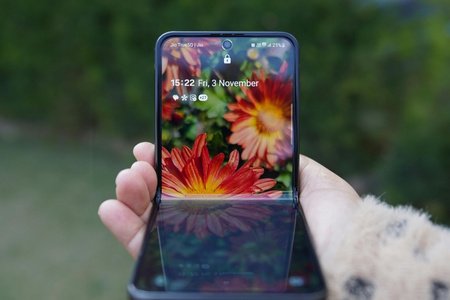
In light of the continuous development of mobile hardware, Android app development latest trends are increasingly shifting towards foldable devices. In light of mobile hardware’s constant growth, Android app development trends are increasingly shifting towards foldable devices.
These futuristic gadgets, which were perceived to be a novelty at one point, are now defining new benchmarks for user interaction and multitasking. Being capable of switching to compact and tablet-sized screens, foldables require mobile apps that are smarter, more flexible, and visually adaptive.
From the stylish Samsung Galaxy Z Flip 6 to the revolutionary Google Pixel 9 Pro Fold and futuristic Motorola Razr 2024, today’s foldable phones are not simply pretty to look at, but are changing how we interact with content and features.
Imagine you are making a call while your phone is still closed, then you turn it open without pausing to continue watching a full-screen video. These devices are designed for flexibility, and mobile apps have to adapt to keep pace.
Developing mobile apps for foldables isn’t simply reducing the size of a layout. It’s about the way of thinking about the whole user experience that is planned to be made.
Now, developers are paying more attention to responsive and adaptive interfaces that can smoothly switch from a folded to an unfolded view.
The latest mobile development technologies enable apps to leverage the extended screen estate to its fullest potential with multi-window functionality, split-screen functionality, and even context-aware layouts.
Consider creative apps like Adobe Lightroom or PicsArt, on a foldable device, where users can view side-by-side editing tools and thus previews, which massively enhances workflow and usability. Similarly, multi-tasking apps such as productivity allow multiple tasks to be performed in parallel, such as browsing the web while writing notes on one screen.
The most important aspects of this Mobile App trend:
1. Responsive Layouts and Adaptive Interfaces: Make sure the UI elements resize and reposition effortlessly between folded or unfolded states.
2. Split-Screen Display: This enables users to work with two apps or functions simultaneously, which is great for multitaskers.
3. Multiple Window Access: Boosts productivity by allowing users to handle various activities from the same app.
4. All-Device Optimization: Apps need to be constructed in a way that they work to perfection, whether the device is half-folded, fully open, or closed.
5. Creative Flexibility: The extended screen real estate provided by such screens has a massive impact on photography, design, and video editing apps.
Since foldables are getting more popular, optimizing apps for such gadgets is no longer an option but a necessity. Innovative brands and developers who adopt these new mobile development technologies will be noticeable and drive the next wave of mobile innovation.
6. Superior App Security is Raising the Bar in 2025 and Beyond
With the digital universe continuing to interconnect, there is no better time to require a higher level of app security than ever before. From social networking to banking, mobile apps today are processing large volumes of personal and financial data, which is sensitive.
That’s why excellent app security is becoming one of the central pillars of the latest mobile development technologies, not only to secure user information, but to guarantee trust and conform to the rules and regulations.
In 2025, app security is going beyond traditional firewalls and basic encryption. Developers now benefit from cloud-first security solutions that ensure data is kept safe in transit, at rest, and even during processing.
One of the priority areas is cloud app security for commonly used platforms, such as Microsoft 365 and Google Workspace, which are high-priority targets for threats such as phishing, ransomware, and Business Email Compromise (BEC) attacks.
These security frameworks can detect and eliminate suspicious acts before any damage is caused with the help of real-time analytics.
Let’s consider a real-world example: Now, rather than forcing users to fill out forms with their personal information, such as name, email, and passwords, modern apps support hassle-free sign-in with Apple ID. Not only does this approach accelerate onboarding, but it also increases safety with the use of two-factor authentication and privacy-forward tracking policies.
Important Features Enabling Better Mobile App Security:
1. Intelligent Threat Detection: Employs AI and machine learning to discover real-time anomalies, malware, and possible breaches.
2. Seamless API Connectivity: Secure APIs guard against unauthorized access for components of the different app sections and communications between the app and external sources.
3. Real-Time Monitoring and Response: Uninterrupted, continuous background vigilance makes it possible to respond immediately to an identification of threats as they arise.
4. Sensitive Data Protection: Stops sensitive data (such as customer or payment details) from being leaked or mistreated.
5. Centralized Security Dashboard: Provides developers and businesses a dashboard to watch, control, and audit security events on their app infrastructure.
The interest in greater app security is a tech movement and a vital change to create secure, scalable, and trustworthy digital experiences. With more and more people logging into mobile for healthcare, finance, or anything, building cutting-edge security protocols into your app is not only smart, it’s vital for future-proofing your app for the age of cyber uncertainty.
7. The Rise of On-Demand Apps is Changing How We Live and Work
In the era of convenience, where everything can be done with a button, on-demand mobile apps emerge as the spine of contemporary living.
From ordering dinner to hailing a ride, streaming entertainment, or even setting an appointment with the veterinarian, users now expect services at the click of a few buttons in their own hands, on the go, anywhere, anytime.
The development of this category of app is not a surprise, as it is driven by the growing penetration of smartphones and tailored user experiences, as well as advanced integrations such as AI and location-based services. What once would have been considered futuristic is now part of an everyday expectation.
This trend poses a massive opportunity for developers/businesses to grow the customer base. When you make apps with on-demand capacity, you not only fulfill user expectations but also build an entire world of instant accessibility and increased profitability.
From getting groceries delivered in less than an hour to streaming content that fits user profile and behaviour, consumer behavior meets smart tech in the on-demand space.
Let’s see how the U.S. market is defining the future of on-demand apps with industry leaders in a variety of services:
Real-Life Examples of On-Demand Applications:
1. Ride-Sharing Services: Apps like Uber and Lyft transformed urban mobility with on-demand, GPS-equipped rides at your fingertips.
2. Food and Grocery Delivery: DoorDash, Uber Eats, Instacart, and Amazon Fresh deliver meals and provisions to your doorstep quickly, usually within the hour.
3. Entertainment On-Demand: Platforms like Netflix, Disney+, and Spotify have made binge-watching and curated music activities requiring no effort.
4. Healthcare Access: There are apps (such as Teladoc Health and MDLIVE) where you can have virtual doctor visits, mental health consultations, and prescription management, all from your phone.
5. Freelance and Task Services: If you require a logo designer or a dog walker, Fiverr, Upwork, and TaskRabbit connect the user with a service provider immediately.
6. Pet Care Apps: Services such as dog walking, boarding, and grooming are offered on-demand to the pet owners by platforms like Rover and Wag.
7. On-Demand Payments: Cashless and contactless transactions have never been faster and safer thanks to mobile wallets, including Apple Pay, Google Pay, and Venmo.
The way this trend contributes to 2025 particularly strongly is that it combines user expectations with real-time technology.
As AI, push notifications, and mobile payments are developing, on-demand apps are no longer just convenient but critical digital solutions in people’s everyday lives. For startups and enterprises, investing in this area is an investment in leading the changing digital landscape.
8. Wearable Devices are Empowering Seamless Cross-Platform Integration
Entering 2025 means that mobile app development is no longer limited to phones and tablets, but now wearable devices are at the forefront, and wearable tech changes at light speed. Wearable tech transitioned from smartwatches and fitness trackers to the next wave of advances, such as smart rings and glasses that feature AI.
However, with these slim compact devices comes the new problem for developers: creating applications that perform optimally in smaller screens, consume very little battery, and easily integrate with smartphones and other platforms.
Writing apps for wearables is not just a shrunken application of mobile development; it’s another world of micro-interactions, real-time health tracking, and personalized experiences. These apps should be intuitive, easygoing, hyper-connected, and give users value at a glance or a tap.
How about downloading an app straight to your wrist in a few seconds? Or using smart glasses that provide navigation as you’re cycling? Or monitoring your heart rate using a fitness band that communicates with the health dashboard on your phone? This is where the top-notch technologies in mobile development are going, and it is no longer science fiction; this is the future of mobile apps.
Real-Life Examples and Innovations:
1. Apple’s Wearable Ecosystem: From AirPods that will soon be equipped with built-in cameras to Apple Watch apps that track heart rate and oxygen levels, Apple is pushing the boundaries of iOS mobile app development.
With innovations in AI, cross-platform syncing, and personalized user interfaces, Apple is reshaping how wearables interact with users and devices.
2. Fitness Trackers and Smartwatches: Devices like the Fitbit Sense, Samsung Galaxy Watch 6, and Google Pixel Watch rely on committed wearable apps to offer users sleep insights, fitness objectives, and real-time notifications.
Essential Trends of Wearable App Creation in 2025:
1. Understanding Wearable Hardware: These apps should work within restricted screen size, battery life, sensors, and hardware limitations.
2. Building for All Platforms: Developing synchronizable apps among Apple Wearables, Android Wear, and third-party fitness bands is essential.
3. Seamless App Sync: Wearables do not stand alone; they require a smooth relationship with companion mobile apps to work at full capacity.
4. UI/UX Optimization: Interfaces have to be straightforward, easy to understand, and implement in seconds, with no clutter, no confusion.
5. Protecting User Data: Security is necessary when processing sensitive health and location information. Developers need to target encrypted communication and the consent of the users.
Wearable app development is quickly emerging as one of the latest mobile development technologies worth looking out for. Whether you are developing a fitness tracker, a hands-free assistant, or a health monitoring app, thinking in wearables in 2025 means you have to think smaller, smarter, and more connected than ever.

9. Digital Wallets and Payments Redefining the Future of Finance
Wave goodbye to heavy wallets and loose change, your smartphone is now your wallet. In 2025, the trend toward mobile wallets and payments is no longer just about the trend; it is already a new reality. It’s a complete revolution in buying, selling, and paying.
Mobile wallets are electronic wallets, similar to physical wallets in electronic format. They save everything safely on your phone or watch, including your credit and debit card info, loyalty rewards, metro passes, tickets to events, and even a certificate for your vaccines.
Consider apps such as Apple Pay, Google Pay, Samsung Pay, PayPal, and Venmo, all of which provide a convenient tap-and-go means of making payments at stores, in an app, or on a website.
At the same time, mobile payments are not limited to wallets. It includes any transaction through a mobile device, whether scanning a QR code from a food truck, paying through a smartwatch in a retail store, or making one-click transactions while shopping online. NFC (Near Field Communication) and QR-based payments have ensured the process is smooth, secure, and almost instant.
This mobile-first payment ecosystem not only defines the future of mobile app development but is also a required functionality in most modern mobile apps, ranging from retail and banking to ride-share and food delivery.
Smart Payment Options:
Apple Pay and Google Pay enable consumers to tap their phones or smartwatches against checkout counters for instant payments, without opening an app.
Venmo and PayPal simplify peer-to-peer transfers by allowing you to split a bill, pay a freelancer, or send a gift instantly from your mobile device.
QR code payments through apps such as Starbucks or Walmart make loyalty programs more convenient and eliminate friction in the checkout process.
Key Aspects of the Mobile Payment Boom:
1. Increased Convenience: No cards? No problem. Make payment with a tap, scan, or fingerprint. Mobile wallets allow you to forget your physical wallet without skipping a beat.
2. A Shift Toward a Cashless Society: Cash is going extinct from coffee shops to concerts.
3. A Skyrocketing Market: The mobile payment market is considered to experience explosive growth, with more businesses and users choosing these systems for convenience and ease of use.
4. Enhanced Security Measures: Some functionality, such as biometric authentication (Face ID, fingerprint scan), tokenization, two-factor verification, among others, makes mobile payments frequently safer than physical cards.
5. Boost for Business Growth: Retailers and mobile service providers are rushing to embrace mobile payment options. Not only is it helpful to accept wallets for improved customer experience, but it also helps future-proof the business in a digital-first economy.
In other words, mobile wallets and payments are not just a “cool feature”; they are becoming the norm in mobile app technology trends. To developers, including secure and hassle-free payment channels is very important.
For users, it is faster, safer, and wiser to pay. And for businesses? It’s the advantage they need to survive a cashless future.

10. Blockchain Technology is Powering the Future with Decentralized Trust
Blockchain is revolutionizing mobile app development today, when everything revolves around data breaches, privacy, and digital fraud. Blockchain technology is no longer just the backbone of cryptocurrency; it is being employed within mobile apps to boost trust, enhance security, and cut out third-party dependency.
So what makes blockchain a truly revolutionary technology for mobile applications?
Essentially, blockchain is a distributed ledger, a secure and unchangeable record of transactions that is not maintained by any single authority but is shared across a network.
For mobile apps, users benefit from an environment free of third-party dependents like banks, brokers, or centralized servers, with risks in their data being tamper-proof, operations being transparent, and cutting-edge encryption.
Whether finance, supply chain, healthcare, or gaming, blockchain guarantees unmatched integrity and real-time traceability for these apps in these sectors.
The second real-life example is the crypto apps such as Coinbase, MetaMask, or Binance, which rely on blockchain to store and verify every transaction involving Bitcoin, Ethereum, or any other digital asset. The records are decentralized, verifiable, and tamper-proof, enabling the user to trace where every cent goes.
Blockchain does not end at cryptocurrency.
- Healthcare apps are using it to keep records safe and share patient records without compromising patient data from being leaked.
- Supply chain apps use it to track product origins, movements, and conditions in real time, leading to greater transparency and decreased fraud.
- Digital identity apps (like Civic) give users control over their data, and third parties who can see it know for what purposes.
Key Benefits of Blockchain in Mobile App Development:
1. Unbreakable Security: Every block of information is encrypted and linked to the previous one, making any change to a record along this chain virtually impossible.
2. Decentralized Control: There is no dependency upon any third-party platform. Users themselves own their data, mitigating the risk of single points of failure.
3. Increased Transparency: Complete traceability and accountability exist since every transaction is recorded on a public ledger (or potentially a permissioned private one).
4. Faster & Cheaper Transactions: Intermediaries are cut out via the blockchain, saving a lot of time and funds for digital transactions, especially in banking or logistics-type applications.
5. Smart Contracts: Such contracts are self-executing in nature. Developers can readily use smart contracts to automate agreements inside applications, which suits real estate apps, freelance platforms, or rental services.
Whether it’s a mobile payment app, a healthcare app, or an application for supply chain management, blockchain offers developers all the ingredients to work on their app to make it smarter, safer, and more sustainable.
Gradually, by 2025, it will not just be an option to introduce blockchain into mobile apps; it will become a requirement for future-proof innovation.
11. User-Generated Content is Empowering Users to Drive Engagement
User-generated content (UGC) is now quickly becoming one of the pillars of modern mobile app experiences. In 2025, apps across industries are now capitalizing on UGC content involving the users and not merely developers to fuel trust, deepen engagement, and amplify conversions.
UGC refers to any content contributed by users who share their experiences, photos, videos, reviews, testimonials, stories, or posts, thus lending authenticity and reshaping how people connect with apps.
Why UGC Is at the Forefront of Mobile App Trends?
1. Establish Trust and Credibility: Real users carry more weight than brands regarding credibility. Whether it’s an unfiltered product review on Amazon or a tutorial on TikTok, UGC adds social proof that builds immediate credibility.
2. Converting Leads: Purchase decisions are directly impacted by driving conversions (UGC). Seeing someone else use a service or product in real time frequently motivates people to take action, such as downloading, purchasing, or signing up.
3. Audience Understanding: Brands may learn about preferences, behavior, and sentiment in real time by examining the content users produce and interact with. This information aids in customizing subsequent encounters.
4. Cost-Efficiency for Marketing: Brands can save marketing expenses and increase authenticity by utilizing organic content from devoted consumers rather than investing much in ad creatives.
Platforms That Use UGC Optimally
- Instagram – Stories, reels, and branded hashtags allow users to speak in a brand’s voice.
- TikTok – It is the king of user-generated content (UGC) virality, with short-form videos dominating trends.
- YouTube – User reviews, tutorials, and unboxing create a robust content ecosystem.
- Facebook – Brand ties are strengthened by community posts and shared experiences.
Many of these platforms also incorporate AI and AR filters, transforming simple videos into engaging, brand-worthy experiences that people want to share.
12. Augmented Reality (AR) & Virtual Reality (VR) Are Redefining How We Experience Apps
Mobile app development is undergoing a fundamental change with the use of Augmented Reality (AR) and Virtual Reality (VR) platforms, which are increasingly allowing the apps to provide interactive, immersive, and very personalized user experiences that were never possible to achieve earlier.
While the hardware and software are constantly developing, AR/VR is increasingly affordable, breaking new ground in gaming, education, medicine, real estate, and commerce.
AR vs. VR: What’s the Difference?
Augmented Reality (AR): Augments the physical world by adding digital elements (for example, pictures, animation, or data) with the help of a smartphone or AR glasses.
Virtual Reality (VR): Immerses users completely in a digital space, a simulation of the real world that is usually accessed through a VR headset.
Unlike AR, which combines the real world and virtual components, VR completely excludes the user from the physical world and provides full sensory immersion.
AR in Everyday Mobile Apps:
AR has already made its way to millions of smartphones, making them practical, entertaining, and business-oriented. Some notable real-world examples include:
1. IKEA Place – An application that allows visualization of how furniture will look in your apartment by placing 3D models directly on the screen of your phone’s camera.
2. Pokémon GO – A worldwide AR sensation that puts virtual creatures into your actual environment using GPS and camera data.
3. Snapchat Filters – Real-time face tracking lets users add fun and artistic filters through AR lenses.
4. YouCam Makeup – Virtually try on makeup ideas with the help of facial AR mapping technology before purchasing any.
VR in Real Life – Beyond Gaming:
Virtual Reality is no longer reserved for gamers; it completely changes how people learn, explore, train, and socialize. Now that mobile-compatible VR goggles are getting more affordable, app developers are exploring such industries as:
- Education – Virtual classrooms, lab simulations, and historical recreations.
- Healthcare – Therapy, surgical training, and mental well-being using guided VR environments.
- Real Estate – Visual tours of home and property.
- Entertainment – VR cinema, roller coaster sims, and VR social apps.
Games such as Beat Saber and VRChat are examples of how VR apps merge motion, audio, and interactive storytelling to create entirely new digital worlds.
What’s Driving the AR/VR Apps Trend?
- The development of ARKit (Apple) and ARCore (Google)
- 5G and edge computing for real-time rendering
- Lower-cost hardware and smartphone compatibility
- Remote demand in education, shopping, and medicine.
As this tech grows, developers can have more opportunities than ever to create AR/VR apps that are scalable, enjoyable, and valuable across industries.
AR and VR can no longer be associated with the future; they are here to stay and are re-defining mobile app experiences in shopping, gaming, education, and fitness.
Integrating such technologies into the apps makes them more engaging, personal, and memorable, thus contributing to the engagement and satisfaction of the users.

13. Chatbots are Becoming Your 24/7 Assistant Inside Mobile Apps
Chatbots are revolutionizing mobile app experiences by making real-time and intelligent interactions between users and digital portals possible.
These programs mimic human communication using text or voice to help users with queries and task completion and provide personalized support, all within the app domain.
From simple systems that operate based on rules to advanced chatbots powered by AI and virtual assistants, modern chatbots are increasingly powered by Natural Language Processing (NLP) and Generative AI. This enables them to understand, learn, and respond like a human would in a more context-aware way.
Key Features and Benefits:
1. Simulated Human Dialogue: Chatbots build interactive and conversational expectations like human communication.
2. Personalized Support: They customize responses based on user information, behavior, and preference to increase relevance and engagement.
3. 24/7 Access: Unlike human agents, chatbots are always available to provide constant support.
4. Cost Saving: Automating frequent tasks and routine inquiries through chatbots decreases the need for massive customer service departments, thus cutting down on the cost of operations.
These tools are becoming more competent at coping with complex requests, multi-turn conversations, and user intent detection as the technology of chatbots advances.
Popular Use Cases in Mobile Applications
1. Tailored Product Suggestions: Chatbots help users locate products that match their requirements and prior engagement.
2. Smart Customer Support: They can immediately respond to frequently asked questions, process complaints, process returns, and monitor orders.
3. Task Automation: Booking appointments, receiving reminders, and managing inventories can be done using easy chat commands.
4. Marketing Boosting: Chatbots provide targeted promotions, provide directions in the buyer’s journey, and promote upselling initiatives.
5. Lead Engagement: They assist in qualifying leads, start personal conversations, and do automatic follow-ups to increase conversions.
Why Are Chatbots A Major Trend in 2025?
1. Integration with AI and Generative AI makes it possible for the chatbots to interpret complex language and give more contextual answers.
2. User expectations and increasing demand for instant, app-based support and conversational interfaces.
3. Omnichannel presence ensures consistency across mobile, web, and social media platforms.
4. Enhanced mobile UX as chat interfaces become a default place of interaction in the apps.
Chatbots are now not just “nice to have” features but vital tools for providing a smooth, personalized, and time-efficient mobile experience. Irrespective of where you operate, whether retail, health care, banking, or education, the integration of chatbots can effectively increase customer satisfaction, minimize cost, and enhance engagement.

14. Predictive Analytics is Powering Smarter, Data-Driven Decisions
Predictive analytics uses data, machine learning models, unseen influences of artificial intelligence, and statistical computation to see what will happen based on previous happenings.
In mobile app development, this technology helps businesses to predict user behavior, provide a hyper-personalized experience, and perform real-time optimization of decision-making procedures.
Instead of just responding to user input, predictive analytics enables mobile apps to be more proactive in serving content, features, or prompts that match the user’s needs, typically before the user recognizes the need.
Essential Applications of Predictive Analytics in Mobile Apps:
1. Personalized Content Suggestions: Streaming-based services such as Netflix and Spotify use data to understand users’ habits and recommend shows, movies, or playlists specific to the individual’s tastes.
2. E-commerce Customized Product Recommendations: Retail apps like Amazon use predictive models to recommend products based on browsing history, purchase history, and behavior patterns.
3. Real-Time Fraud Alerts: Banking and fintech apps use predictive analytics to detect unusual transaction patterns and their potential fraudulence before it gets out of hand.
4. Targeted User Engagement: Marketing teams divide users according to their real-time and historical activity to provide the most relevant promotions, notifications, and messages.
5. Churn Prediction: Predictive analytics allows identifying users who risk abandoning the app, thus enabling the developers to anticipate defection with the help of engagement strategies, special offers, or personalized communication.
6. User Journey Optimization: Predictive tools can suggest in-app features or shortcuts based on the usage paths to help lower friction and enhance user satisfaction.
Advantages of Predictive Analytics for Mobile App Development:
1. Boosted Customer Loyalty: Knowing when a user is most likely to stop using an app allows the app developers to provide specific content or offers to keep them active.
2. Streamlined Operations: Businesses stand to make adequate resource allocations by predicting app traffic peaks, favorite features, or successful campaigns.
3. Higher Revenue Growth: By suggesting the appropriate product, services, or attributes at the right time, apps can increase the number of in-app purchases, subscriptions, or ad taps.
4. Informed Decision Making: The app developers and marketers can make wiser decisions based on actual user behavior and predictive trends, so instead of guesswork, they would make decisions based on the behavior and patterns of the actual users.
5. Flexible Pricing Strategies: Certain apps, especially in travel and e-commerce, utilize predictive analytics in setting prices depending on demand forecasts and the manner of client actions.
6. Lower Customer Support Costs: Using anticipative solutions, apps can proactively offer solutions and automated support, relieving pressure on the customer service teams.
Predictive analytics is setting up the future for mobile app development because raw data on users gets converted into meaningful intelligence for action.
Due to its potential to boost personalization and operational efficiency and predict user needs, this technology is essential for businesses that want to remain competitive and user-oriented in the dynamically changing digital world.
Frequently Asked Questions
What are the top Mobile app development trends in 2025?
The Mobile app development trends in 2025 are created by the increasing role of artificial intelligence, immersive AR and VR experience, widespread use of 5G, and the further expansion of low-code and no-code platforms.
These innovations fundamentally change how mobile apps are made and utilized, infusing them with speed, personalization, and interactivity.
What kinds of mobile apps will likely dominate in the future?
Moving forward, most popular apps will be focused on augmented reality, AI-powered digital assistants, and individualized learning experiences. Apps integrating into the smart home ecosystems will also pick up momentum.
Additionally, on-demand service apps, particularly in the B2B industries, and AI-integrated health and well-being apps, like telemedicine solutions, are set to keep driving the app trends in 2025.
Will artificial intelligence take over the role of mobile app developers at some point?
Although AI is already a part of the app trends 2025, it cannot wholly replace developers. AI will instead help by automating coding, creating prototypes, and analyzing user behavior.
However, the creativity, strategic thinking, and UX design that the human developers provide cannot be replaced. AI will become an enabler, helping increase productivity instead of killing jobs.
Conclusion
In conclusion, the top Mobile app development trends in 2025 are changing with great speed to adapt to AI, AR/VR, 5G, and users’ expectations regarding speed and personalization.
From the rise of low-code platforms to the increased need for on-demand and smart-integrated apps, 2025 is the time of a more intelligent, immersive, and efficient mobile experience.
Developers who adopt these changes and transform with the changing landscape will be able to drive them in the next wave of digital transformation.